
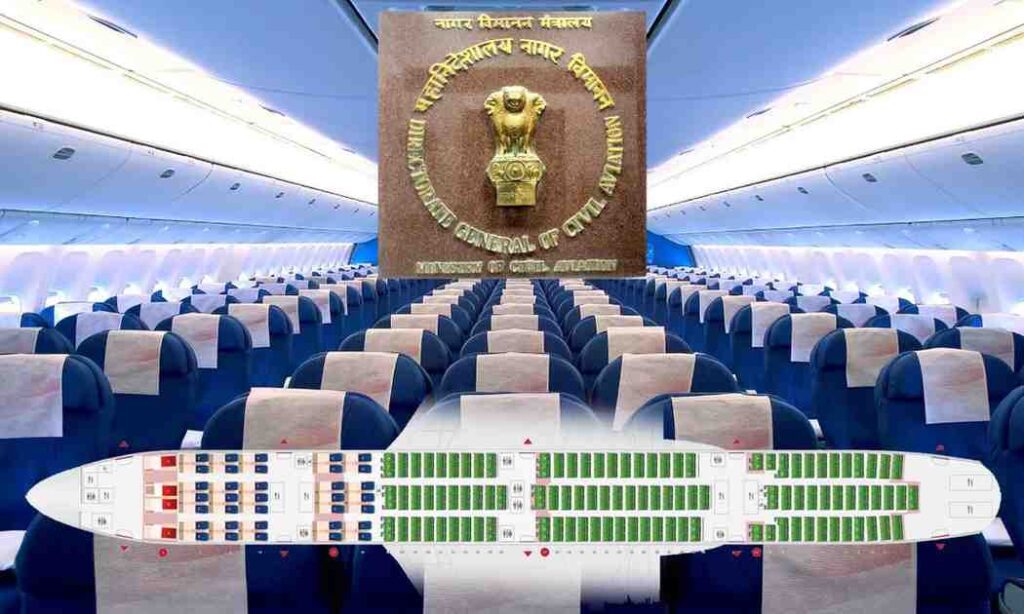
India’s aviation watchdog introduced groundbreaking rules on March 18, requiring airlines to offer at least 60% of seats on every flight without any selection charges. As a result, the move marks a major win for passengers who previously had to pay ₹300-₹900 extra just to choose their seats.
Families Must Sit Together Without Extra Cost
Furthermore, the Directorate General of Civil Aviation (DGCA) mandates that passengers traveling under the same booking reference (PNR) be assigned adjacent seats at no additional charge. In fact, this addresses longstanding complaints from families forced to pay extra or face scattered seating across cabins.
Moreover, the new rules specifically protect children under 12, ensuring they automatically sit with at least one parent or guardian. Before this policy, parents often scrambled to swap seats with fellow travelers or paid premium fees just to stay next to their children.
Transparent Policies for Baggage and Pets
Additionally, airlines must now publish clear, upfront pricing for carrying sports equipment, musical instruments, and pets. Consequently, the “surprise charges” at check-in counters that caught many travelers off guard will disappear under the new transparency requirements.
Similarly, passenger rights information must appear prominently on airline websites, mobile apps, booking platforms, and airport counters in multiple regional languages. Therefore, this ensures non-English speakers understand their entitlements regarding delays, cancellations, and denied boarding.
Industry Pushes Back on Revenue Loss
However, the Federation of Indian Airlines opposed the directive, calling it “regulatory overreach” into commercial operations. In particular, airlines warn that lost seat-selection revenue (IndiGo alone earned ₹2,446 crore from ancillary fees in Q3 FY26) could force base-fare increases.
Meanwhile, industry experts predict airlines will offset losses by raising ticket prices slightly or creating new bundled packages. Nevertheless, the government maintains that passenger convenience and transparency outweigh concerns about airline profits in India’s rapidly growing aviation market, which now handles over five lakh passengers daily.
In response, Civil Aviation Minister Ram Mohan Naidu defended the reforms, stating they transform air travel from an elite privilege into an inclusive service under the UDAN connectivity scheme.
Finally, the DGCA established real-time monitoring to ensure airlines immediately reflect free seat availability on booking portals, thus preventing “dark pattern” tactics that previously made free seats appear unavailable.
Also read:-
Dubai Airport Suspends Flights After Drone Hits Fuel Tank
United Airlines Cuts Flights as Fuel Prices Hit $175 per Barrel
Iran Conflict Drains $600 Million a Day From Global Travel