
Thailand captures hearts with its golden temples, pristine beaches, vibrant street markets, and warm hospitality. This Southeast Asian paradise offers incredible value for both Indian and international travelers. From the bustling streets of Bangkok to the peaceful islands of the south, Thailand delivers experiences that linger long after you return home. This guide helps you navigate everything from visa requirements to must-see attractions, ensuring your Thai adventure runs smoothly.
Essential Information at a Glance
| Category | Details |
|---|---|
| Capital | Bangkok |
| Currency | Thai Baht (THB) |
| Language | Thai (English widely spoken in tourist areas) |
| Best Time to Visit | November to March (cool and dry) |
| Visa for Indians | 60 days visa-free (as of July 2024) |
| Visa for Most Western Countries | 60 days visa-free |
| Entry Requirement | Thailand Digital Arrival Card (TDAC) mandatory |
| Daily Budget (Budget) | 1,750 THB ($50 or ₹4,200) |
| Daily Budget (Mid-range) | 3,100 THB ($88 or ₹7,400) |
| Airport | Suvarnabhumi Airport (Bangkok main hub) |
| Time Zone | GMT+7 |
| Emergency Number | 191 (police), 1669 (ambulance) |
Source: freepik
Entry Requirements for 2026
Visa-Free Entry
Thailand offers generous visa-free access to 93 countries including India, USA, UK, Canada, Australia, and most European nations. You can stay 60 days without applying for a visa in advance. This stay can be extended for an additional 30 days at immigration offices for 1,900 THB.
Important change for Indian travelers: Previously, Indians received only 15-day visa on arrival. Since July 2024, Indians enjoy full 60-day visa-free entry, making Thailand travel significantly easier.
Thailand Digital Arrival Card (TDAC)
All foreign visitors must complete the TDAC online within 72 hours before arrival. This mandatory digital form replaced the old paper TM6 card in May 2025. The process is free and takes about five minutes at tdac.immigration.go.th.
You present the QR code from your TDAC at immigration checkpoints. Without this card, authorities can deny entry even if you qualify for visa-free access.
Required Documents
Immigration officers check several documents at entry:
- Passport valid for at least six months
- Confirmed onward ticket within your allowed stay period
- Proof of accommodation (hotel booking or address)
- Proof of funds (20,000 THB per person, 40,000 THB per family)
Also Read
Thailand Travel Guide 2026: Your Dream Tropical Escape
Tomorrowland Thailand 2026: How to Pre-Register Online
Affordable Hotels near Tomorrowland Thailand
Goa Trip on Low Budget: How to Plan a Cheap Trip in 2026
Tourist Visa Option
If you want more security or plan to stay beyond 60 days initially, apply for a tourist visa through the e-Visa system at thaievisa.go.th. Single-entry tourist visas cost 1,000 THB and allow 60 days (extendable by 30 days). Multiple-entry tourist visas cost 5,000 THB and remain valid for six months with 60-day stays per entry.
Top Destinations and Experiences
Bangkok: The Energetic Capital
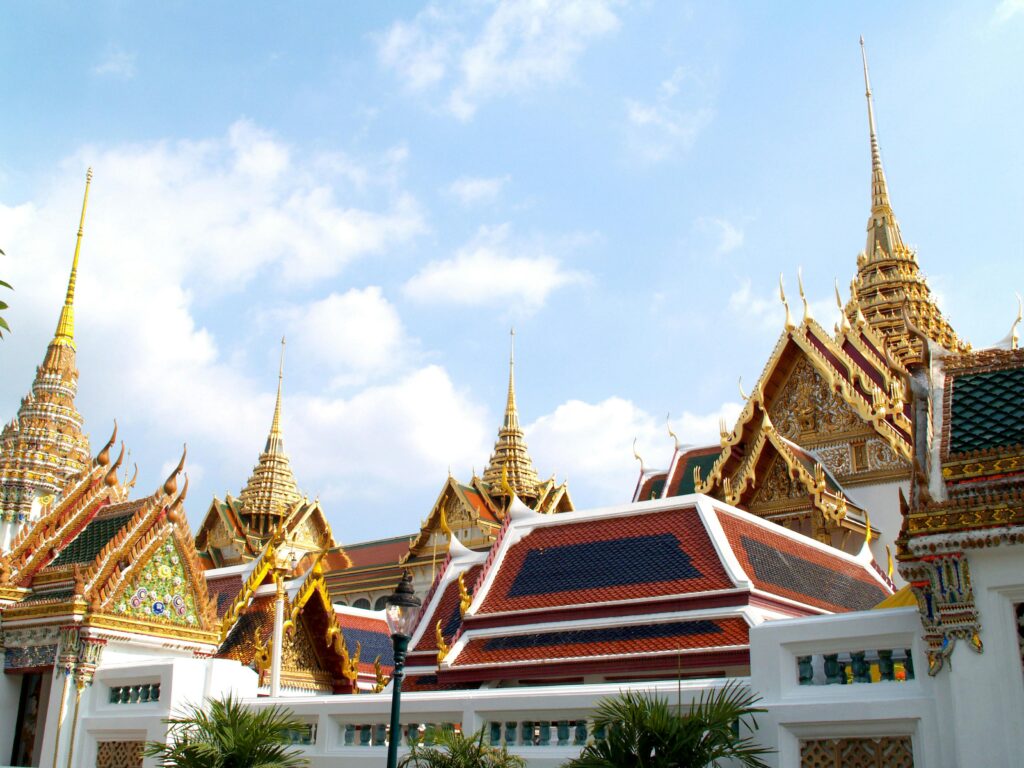
Bangkok pulses with energy day and night. The city blends ancient temples with modern skyscrapers, creating a unique urban landscape. Start at the Grand Palace, home to the stunning Emerald Buddha. This complex showcases intricate Thai architecture with golden spires and colorful mosaics.
Visit Wat Pho to see the massive 46-meter reclining Buddha covered in gold leaf. The temple also houses Thailand’s most respected massage school. Nearby Wat Arun, the Temple of Dawn, features a distinctive Khmer-style tower that looks spectacular at sunset.
Explore the Chatuchak Weekend Market, one of the world’s largest markets with over 15,000 stalls. You can buy everything from vintage clothing to handmade crafts. The market operates Saturday and Sunday with sections devoted to clothing, antiques, food, and plants.
Take a longtail boat through Bangkok’s canals (khlongs) to see traditional stilt houses and local life away from tourist areas. The boat tours offer glimpses into how Bangkok looked before modern development transformed the city.
For Indian travelers, Bangkok offers excellent Indian restaurants in areas like Sukhumvit and Silom. You can find authentic North and South Indian cuisines when you need a break from Thai food.
Chiang Mai: Cultural Heart of the North
Chiang Mai provides a calmer alternative to Bangkok’s chaos. This northern city centers around its old walled area filled with over 300 temples. The cooler climate makes it pleasant for exploring on foot or by bicycle.
Climb (or take a taxi) up Doi Suthep mountain to visit Wat Phra That Doi Suthep. This golden temple sits 1,073 meters above sea level and offers panoramic city views. According to legend, the temple houses a relic of Buddha himself.
The Sunday Walking Street Market takes over the old city every week. Locals sell handmade crafts, clothing, artwork, and street food.
Book a cooking class to learn authentic Thai cuisine. Most classes include market tours where you select fresh ingredients before cooking four to five dishes. You take home recipes and skills to recreate Thai flavors.
Visit ethical elephant sanctuaries like Elephant Nature Park. These organizations rescue elephants from tourism and logging industries. You observe, feed, and bathe elephants without riding them, supporting genuine conservation efforts.
Islands and Beaches
Thailand’s islands attract beach lovers and water sports enthusiasts from around the world. Each island offers distinct atmospheres and activities.
Ko Lanta remains relatively peaceful despite development. Long white sand beaches, excellent diving sites, and laid-back restaurants create perfect relaxation settings. The island is large enough to find quiet spots even during peak season.
Ko Tao specializes in diving and snorkeling. Crystal-clear waters with vibrant coral reefs make it ideal for underwater exploration. Numerous dive schools offer affordable certification courses. Many travelers spend weeks here earning dive qualifications.
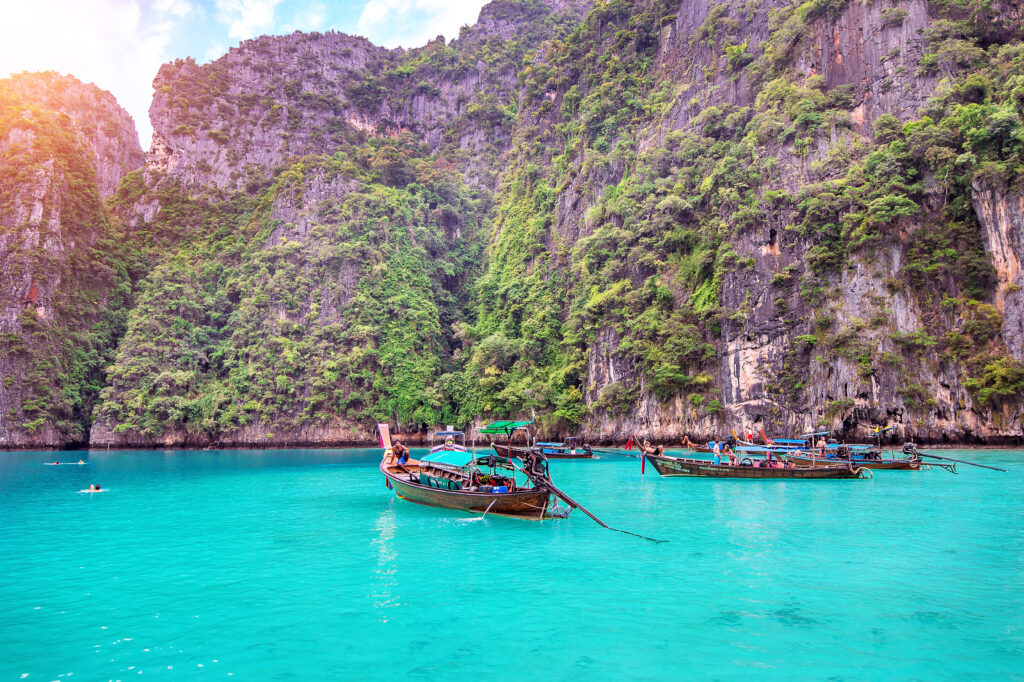
Ko Phi Phi delivers dramatic scenery with towering limestone cliffs rising from turquoise waters. Maya Bay gained fame from the movie “The Beach” but was closed for environmental recovery. Other parts of the island offer beautiful beaches and active nightlife.
Railay Beach near Krabi can only be reached by boat, preserving its pristine character. Rock climbing enthusiasts tackle the limestone cliffs while others relax on beaches or kayak through mangrove forests.
Phuket serves as Thailand’s largest island and main beach destination. While Patong Beach gets crowded and commercialized, the northern and southern parts maintain quieter atmospheres with beautiful beaches and excellent seafood restaurants.
Ayutthaya: Ancient Capital
The historic city of Ayutthaya sits 80 kilometers north of Bangkok. This UNESCO World Heritage Site served as Thailand’s capital from 1350 to 1767. Burmese invaders destroyed the city, leaving magnificent temple ruins scattered across the landscape.
Rent a bicycle to explore the archaeological park containing dozens of temples. The Buddha head embedded in tree roots at Wat Mahathat creates one of Thailand’s most photographed images. The preserved temples showcase the architectural sophistication of the ancient kingdom.
You can easily visit Ayutthaya as a day trip from Bangkok by train, bus, or organized tour.
Pai: Mountain Town Escape
This small mountain town in northern Thailand attracts travelers seeking peaceful natural settings. Surrounded by mountains, waterfalls, and hot springs, Pai offers excellent hiking opportunities. The town itself features art galleries, organic cafes, and yoga studios.
The scenic route from Chiang Mai to Pai winds through 762 curves over mountains. The three-hour journey (by bus or motorbike) provides spectacular views despite the winding road.
Sukhothai: First Thai Capital
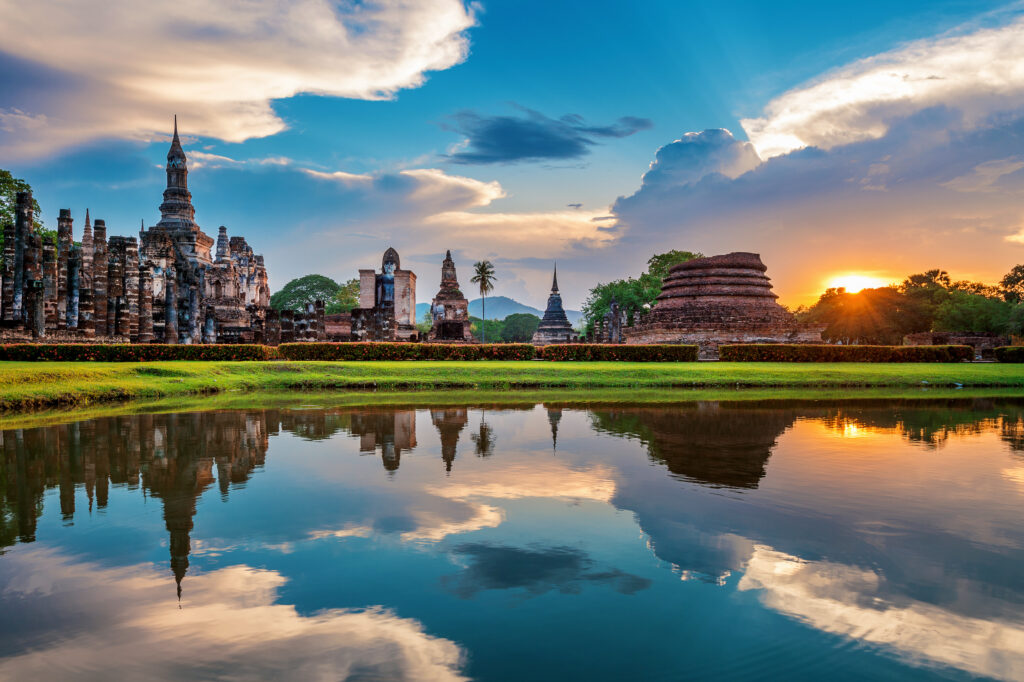
Sukhothai Historical Park preserves the ruins of Thailand’s first capital, founded in 1238. The park spreads over a large area with temple ruins set among lotus ponds and gardens. Rent a bicycle to cover more ground while enjoying the peaceful atmosphere.
Unlike Ayutthaya, Sukhothai sees far fewer tourists, allowing more intimate exploration of ancient Thai architecture and Buddhist art.
Thai Cuisine Highlights
Thai food ranks among the world’s most beloved cuisines. The perfect balance of sweet, sour, salty, and spicy flavors creates addictive dishes.
Street Food
Thailand’s best food often comes from street vendors and small family-run stalls. A typical street food meal costs only 30 to 100 THB. Look for busy stalls with high turnover, indicating fresh ingredients and satisfied customers.
Must-try dishes include pad thai (stir-fried noodles), som tam (spicy green papaya salad), khao pad (fried rice), moo ping (grilled pork skewers), and various curries served over rice.
Regional Specialties
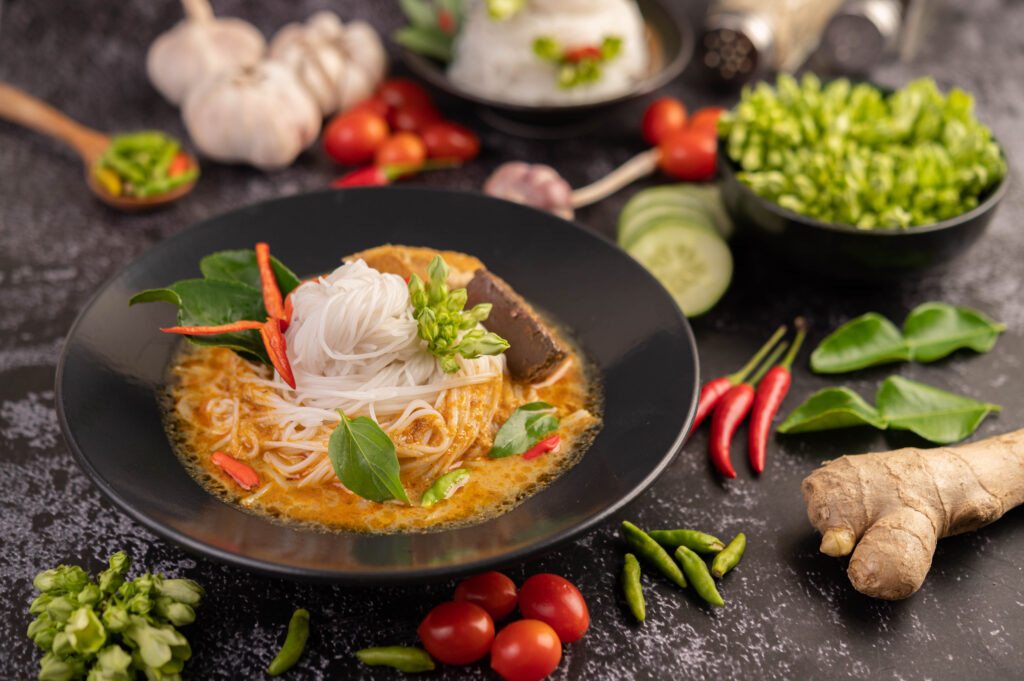
Northern Thailand favors milder, herbaceous flavors. Try khao soi, a coconut curry noodle soup topped with crispy noodles. Sai oua (northern Thai sausage) combines pork with herbs and spices.
Southern Thailand delivers the spiciest food with coconut-based curries and fresh seafood. Gaeng tai pla (fermented fish kidney curry) challenges even experienced spice lovers.
Central Thai cuisine includes the dishes most familiar to international travelers. Massaman curry, tom yum soup, and green curry all originate from this region.
For Indian Travelers
Indian restaurants operate throughout Thailand’s tourist areas. You can find both North and South Indian cuisines, particularly in Bangkok, Phuket, and Pattaya. Many Thai dishes also appeal to Indian palates with similar use of spices, coconut, and vegetarian options.
Thai Buddhist cuisine offers extensive vegetarian choices. Look for “jay” food during Buddhist festivals when many Thais eat vegetarian. Markets and malls feature vegetarian food courts with diverse options.
Budget Planning
Backpacker Budget (1,750 THB daily)
This budget covers hostel dorms, street food meals, local transport, and free activities. You can travel comfortably on this amount outside peak season and expensive islands.
Accommodation: 275 to 550 THB per night in hostel dorms Food: 30 to 100 THB per street food meal Transport: 10 to 50 THB for local buses and songthaews Activities: Focus on free temples and beaches
Mid-Range Budget (3,100 THB daily)
This allows private rooms in guesthouses with air conditioning, restaurant meals, occasional Western food, motorbike rentals, and paid activities like diving or cooking classes.
Accommodation: 1,000 to 1,500 THB per night in mid-range hotels Food: 100 to 350 THB per restaurant meal Transport: Taxis, Grab rides, and rental motorbikes Activities: Cooking classes, diving, tours
Money-Saving Tips
Travel during shoulder season (April to June or September to October) for lower accommodation prices. Book hotels and activities directly rather than through online platforms to avoid commission fees.
Eat where locals eat. Family restaurants and food courts serve authentic Thai meals at low prices. Avoid restaurants in major tourist areas where prices increase significantly.
Use public transport whenever possible. Bangkok’s BTS Skytrain and MRT metro cost 16 to 52 THB per trip compared to 100 THB or more for taxis covering the same distance.
Buy alcohol at 7-Eleven convenience stores rather than bars. Beer costs 50% less in convenience stores. Many accommodations allow you to drink in common areas or on beaches.
Source: Pexels
Getting Around
Within Cities
Bangkok’s BTS Skytrain and MRT metro provide fast, air-conditioned transport avoiding traffic jams. Day passes cost 140 to 180 THB for unlimited rides. Taxis are metered and affordable, starting at 35 THB. Always ensure the driver uses the meter.
Grab (Southeast Asia’s Uber equivalent) works throughout Thailand. The app shows prices upfront, eliminating bargaining concerns. Prices often match or beat regular taxis.
Songthaews (shared pickup trucks) serve as local buses in many cities outside Bangkok. They cost 10 to 30 THB per ride and follow semi-fixed routes. Simply wave them down and tell the driver your destination.
Between Cities
Buses offer the cheapest long-distance option. Government buses provide reliable service at low prices. VIP buses include larger seats, air conditioning, and sometimes meals. A bus from Bangkok to Chiang Mai costs 620 to 997 THB depending on class.
Trains deliver scenic journeys at affordable prices. Overnight sleeper trains cost 690 to 930 THB for second-class berths with air conditioning. The train journey offers cultural experiences and beautiful countryside views that flights miss entirely.
Flights save time on long distances. Budget airlines like AirAsia, Thai Lion Air, and Nok Air offer flights between major cities for 750 to 2,235 THB. Book early for best prices. Flying makes sense for reaching islands quickly.
Ferries connect islands to mainland and to each other. Prices vary from 150 THB for short hops to 600 THB for longer journeys including bus connections.
When to Visit
High Season (November to March)
This period offers the most pleasant weather with temperatures around 25 to 30°C and low humidity. Clear skies and calm seas make it perfect for beaches and diving. However, prices increase 30 to 50% and popular destinations fill with tourists. Book accommodations well in advance.
Hot Season (April to June)
Temperatures soar above 35°C with intense humidity. April sees Songkran, the Thai New Year water festival celebrated nationwide with massive water fights. Despite the heat, this period sees fewer tourists after mid-April, resulting in lower prices.
Rainy Season (July to October)
Afternoon thunderstorms arrive daily but rarely last all day. Mornings often remain sunny and pleasant. The countryside looks incredibly lush and green. Accommodation prices drop significantly. October brings the heaviest rainfall but also marks the transition toward the dry season.
For beach destinations, timing depends on location. The Andaman coast (Phuket, Krabi) receives monsoon rains May through October. The Gulf coast (Ko Samui, Ko Pha Ngan) sees rain October through December.
Safety Considerations
Thailand remains very safe for travelers. Violent crime against tourists is rare. Most problems involve petty theft, scams, and accidents.
Common Scams
Unmetered taxis and tuk-tuks top the scam list. Always insist taxis use meters. Agree on tuk-tuk prices before departure and expect to pay 100 to 200 THB for short rides.
Gem scams target tourists with offers of incredible deals on jewelry. These operations claim you can buy gems cheaply and sell them for profit at home. The gems are worthless. Never buy gems from random people or tuk-tuk drivers.
Grand Palace scam artists approach tourists near the palace claiming it’s closed for special ceremonies. They redirect you to gem shops or overpriced tours. Verify information at official ticket booths.
Road Safety
Motorbike accidents represent the biggest danger to tourists. Thailand has high traffic accident rates. If you rent a motorbike, wear a helmet always, drive slowly until comfortable, avoid night driving, and carry proper insurance. Many travelers without motorbike experience get seriously injured.
Respect Local Laws
Never speak negatively about the Thai royal family. Lese-majeste laws carry severe penalties including prison sentences. This isn’t a joke or exaggeration. Simply avoid discussing the monarchy.
Drug laws are strict. While marijuana laws have relaxed somewhat, other drugs carry harsh penalties including possible death sentences for trafficking. Avoid all illegal drugs.
Source: Pexels
Cultural Tips
Temple Etiquette
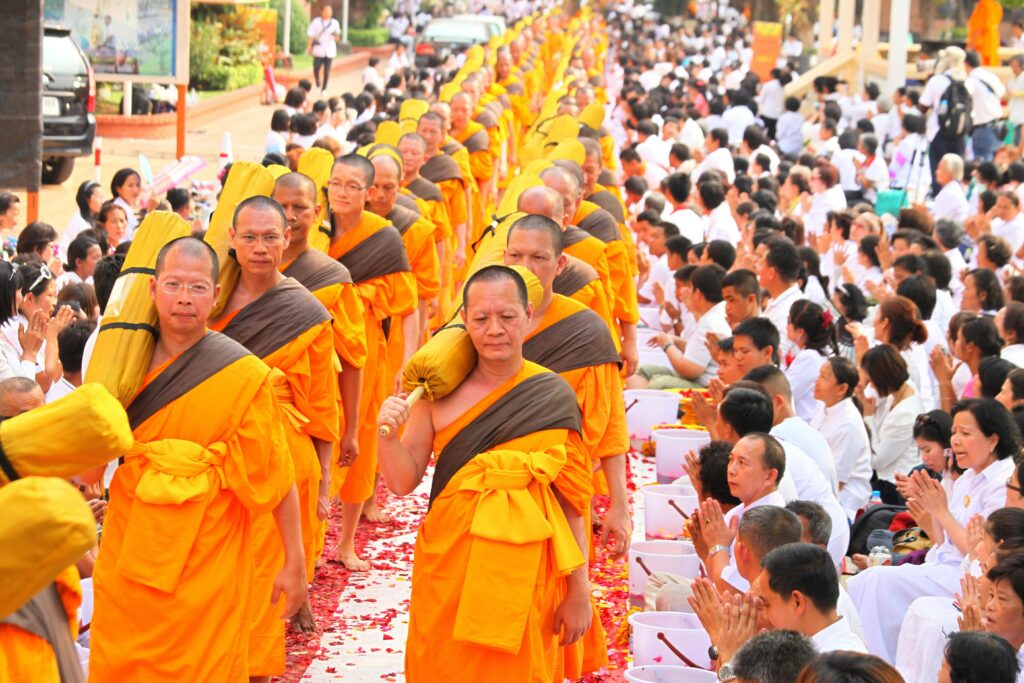
Dress modestly when visiting temples. Cover shoulders and knees. Remove shoes before entering temple buildings. Never point feet toward Buddha images as feet are considered the lowest and least respectful body part.
Women cannot touch monks or hand items directly to them. If you need to give something to a monk, place it on a cloth he provides or give it to a man to hand over.
Social Customs
The traditional Thai greeting is the wai, placing palms together at chest level and bowing slightly. Return wais from people providing services but don’t wai service staff, children, or monks (monks don’t return wais).
Thais value calmness and avoid confrontation. Raising your voice or showing anger causes you to lose face and makes situations worse. Remain calm and smile even when frustrated.
The head is considered sacred and the feet profane. Don’t touch people’s heads or point your feet at people or Buddha images.
For International Travelers
Getting Connected
Buy a local SIM card at the airport. Major providers like AIS, True, and Dtac offer tourist packages with data and calls for 299 to 599 THB for 7 to 15 days. Thailand has excellent 4G coverage in most areas.
Health Considerations
Drink only bottled or boiled water. Ice in tourist areas is generally safe as it comes from purified water. Street food is usually safe if cooked fresh before your eyes.
Travel insurance is essential. Medical care in Thailand is excellent but can be expensive for serious issues. Insurance covering medical evacuation provides peace of mind.
Dengue fever risk exists year-round. Use mosquito repellent, especially during evening hours. Malaria risk is minimal in tourist areas but exists in some border regions.
Language
English is widely spoken in tourist areas, hotels, and restaurants. Learning basic Thai phrases earns smiles and better service. “Sawasdee krap/ka” (hello), “khop khun krap/ka” (thank you), and “mai phet” (not spicy) prove very useful.
Conclusion
Thailand rewards travelers with incredible diversity packed into one country. You can explore ancient temples in the morning, hike through jungle in the afternoon, and enjoy world-class food at night. The combination of natural beauty, cultural richness, delicious cuisine, and affordability makes Thailand perfect for first-time international travelers and seasoned backpackers alike.
For Indian travelers, the new 60-day visa-free entry removes previous complications. The cultural similarities, availability of Indian food, and relatively short flights make Thailand an ideal international destination.
Plan your trip during the right season for your preferred activities. Complete your TDAC form within 72 hours of arrival. Pack light clothing, sunscreen, and mosquito repellent. Bring an open mind and appetite for adventure. Thailand will exceed your expectations and leave you planning your return visit before you even leave.