
Over-tourism destroys the very charm that makes destinations special. Instagram hotspots now crawl with selfie-stick-wielding crowds, ancient temples enforce time limits, and once-peaceful villages transform into souvenir bazaars.
Smart travelers seek undiscovered cultural treasures before social media algorithms turn them into the next Bali or Santorini. These hidden gems offer authentic experiences, meaningful connections with local communities, and the thrill of genuine discovery that modern travel increasingly lacks.
Hidden Cultural Destinations at a Glance
| Destination | Location | Cultural Highlight | Why Visit Now | 17th-century warrior passages |
|---|---|---|---|---|
| Tibet’s Secret Tunnels | Lhasa, Tibet | 17th century warrior passages | Limited tourist access | May-October |
| Slovenia’s Škocjan Caves | Southwestern Slovenia | UNESCO underground river system | Pre-European discovery boom | April-September |
| Ciudad Perdada | Sierra Nevada, Colombia | Pre-Columbian Lost City | Multi-day trek required | December-March |
| Choquequirao | Cusco Region, Peru | Untouched Inca ruins | 90% fewer visitors than Machu Picchu | May-September |
| Vis Island | Croatia | Ancient Greek settlement | Before yacht crowds arrive | May-June, September |
| Rudas Baths | Budapest, Hungary | Road access is still limited | Less crowded than Széchenyi | Year-round |
| Dusky Sound | Fiordland, New Zealand | Remote fjord wilderness | Requires a challenging hike | November-April |
| Glymur Waterfall | Hvalfjörður, Iceland | Iceland’s second-highest waterfall | Requires challenging hike | June-August |
Tibet’s Underground History Awaits Discovery
Beneath Lhasa’s bustling streets lies a hidden network of 17th-century tunnels that Tibetan warriors used to move unseen between buildings during conflicts. These passages represent physical manifestations of Tibet’s resistance history, connecting sacred sites and defensive positions across the ancient city.
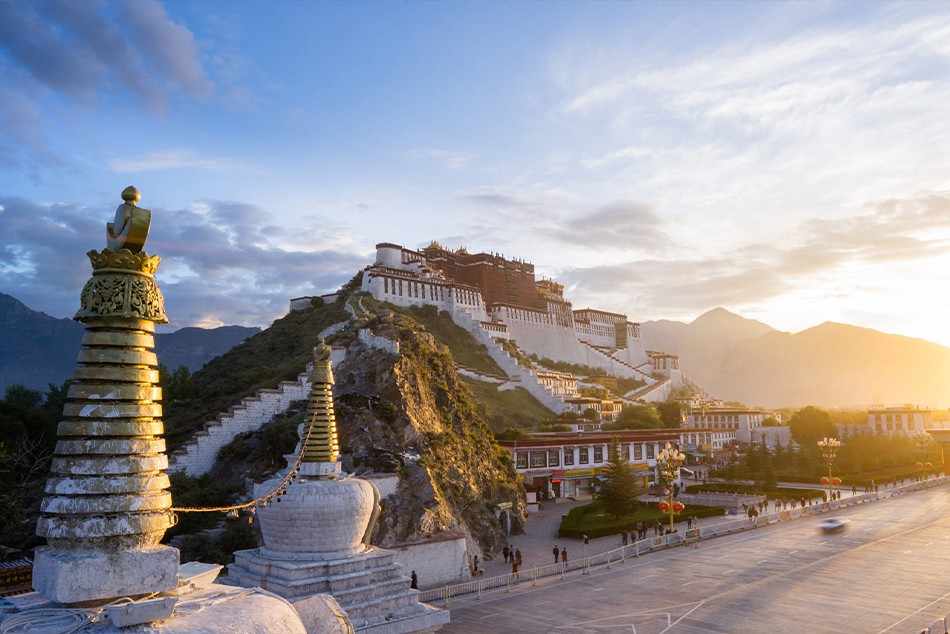
Visitors can now explore sections of these tunnels, walking where warriors once strategized Tibet’s defense. The experience combines archaeology with living history as guides explain how these underground routes protected Tibetan culture during turbulent periods. The nearby Potala Palace, former residence of the Dalai Lama, towers above as a reminder of Tibet’s spiritual heritage.
For Indian travelers, Tibet’s Buddhist connections create familiar cultural echoes. Sanskrit terms pepper the Tibetan language, prayer flags mirror Himalayan traditions found in Ladakh and Sikkim, and monastery rituals resemble practices in Dharamsala. International visitors discover how Tibetan culture preserved ancient traditions while adapting to extreme mountain environments.
Slovenia’s Caves Reveal Nature’s Underground Cathedrals
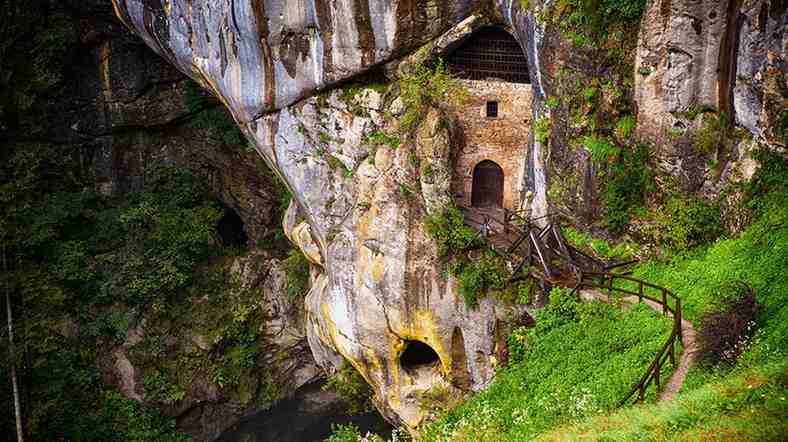
Slovenia protects some of Europe’s most spectacular cave systems, yet most tourists rush to more famous destinations. The Škocjan Caves, a UNESCO World Heritage Site, feature an underground river canyon so vast that entire forests could fit inside its chambers.
Unlike the heavily commercialized Postojna Cave nearby, Škocjan maintains an atmosphere of genuine exploration. Visitors descend into chambers where stalactites and stalagmites have formed natural sculptures over millions of years. The Reka River disappears underground here, carving passages through limestone before emerging 34 kilometers away.
The surrounding Karst region gave geology its term “karst topography” to describe limestone landscapes with sinkholes, caves, and underground drainage. Villages perch on clifftops above disappearing rivers, creating landscapes that inspired countless fairy tales.
Source: Barcelo
Don’t Miss:
Big Sky, Montana: America’s #1 Travel Destination in 2026
Vail, Colorado: The Mountain Town That Has It All in 2026
Trending Travel Destinations 2026: Where the World is Heading
Discovering Vietnamese Culture: Traditions, Customs, and Heritage
Colombia’s Lost City Rewards Determined Travelers
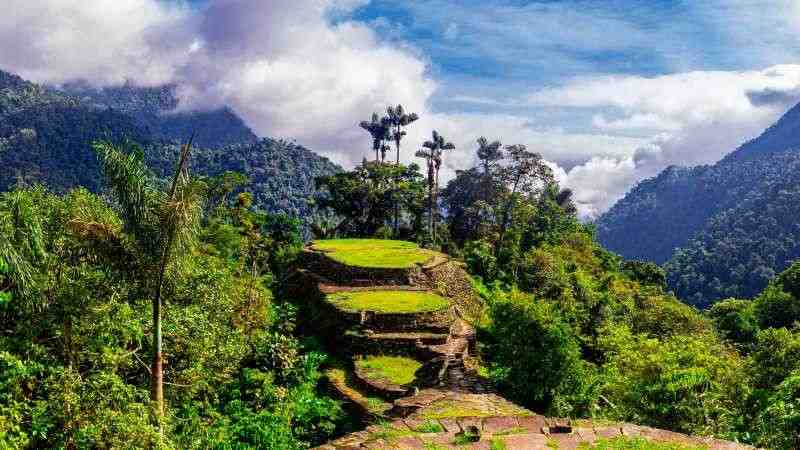
Ciudad Perdida (Lost City) predates Machu Picchu by 650 years, yet receives a fraction of Peru’s tourist crowds. This pre-Columbian city, hidden deep in Colombia’s Sierra Nevada jungle, requires a challenging four to six-day trek through dense rainforest, fording rivers, and climbing over 1,200 stone steps.
The journey itself becomes the experience. Trekkers sleep in simple hammocks at indigenous Kogi villages, learning how descendants of the city’s builders maintain traditional lifestyles. The Lost City’s terraces emerge from jungle mist like ancient dreams, with far fewer visitors than tourist-packed Machu Picchu.
Indigenous communities carefully control access, ensuring tourism revenues support cultural preservation rather than exploitation. This sustainable approach maintains authenticity while allowing outsiders respectful glimpses into living heritage.
Source: World Expeditions
Explore More:
Thailand Visa Update 2026: Everything You Need to Know
Thailand Travel Guide 2026: Best Places to Visit
Tomorrowland Thailand 2026: How to Pre-Register Online
Affordable Hotels near Tomorrowland Thailand
Peru’s Alternative Inca Trail Escapes Crowds
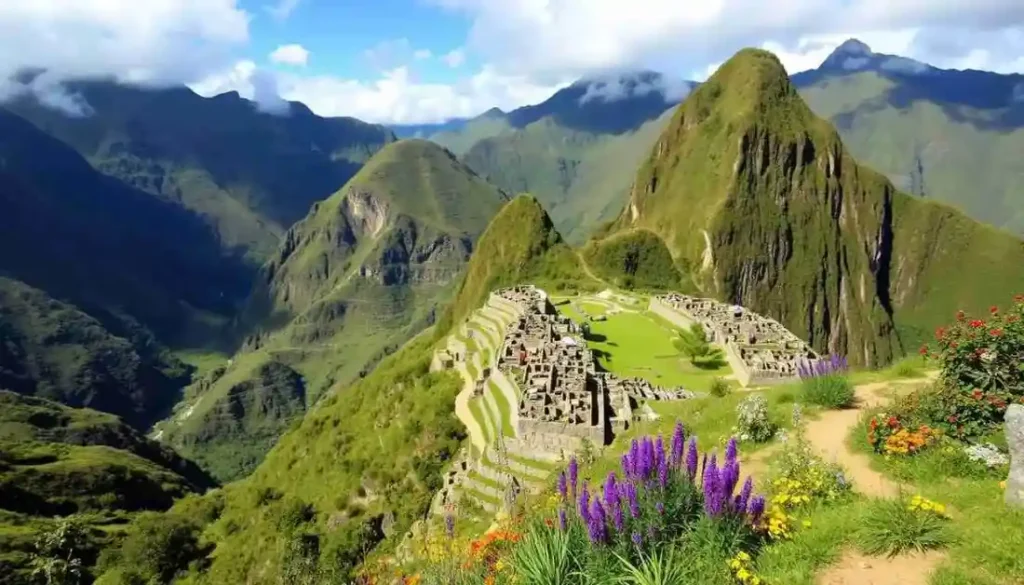
While 500 daily trekkers crowd the famous Inca Trail to Machu Picchu, fewer than 50 attempt the Choquequirao trek. This challenging route leads to extensive Inca ruins that archaeologists believe cover an area three times that of Machu Picchu, with only 30% excavated so far.
The trek demands serious fitness, with steep ascents and descents along remote mountain paths. But rewards include complete solitude among ancient agricultural terraces, ceremonial plazas, and intricate stone architecture. Choquequirao’s isolation preserves the mystery that Machu Picchu’s crowds long ago destroyed.
Source: Peru Explorer
Hungary’s Secret Thermal Baths Offer Authentic Relaxation
Budapest’s Széchenyi Thermal Bath dominates tourist itineraries, creating crowds that destroy relaxation. The Rudas Baths, built during the Ottoman occupation in the 16th century, retain their original character despite far fewer visitors.
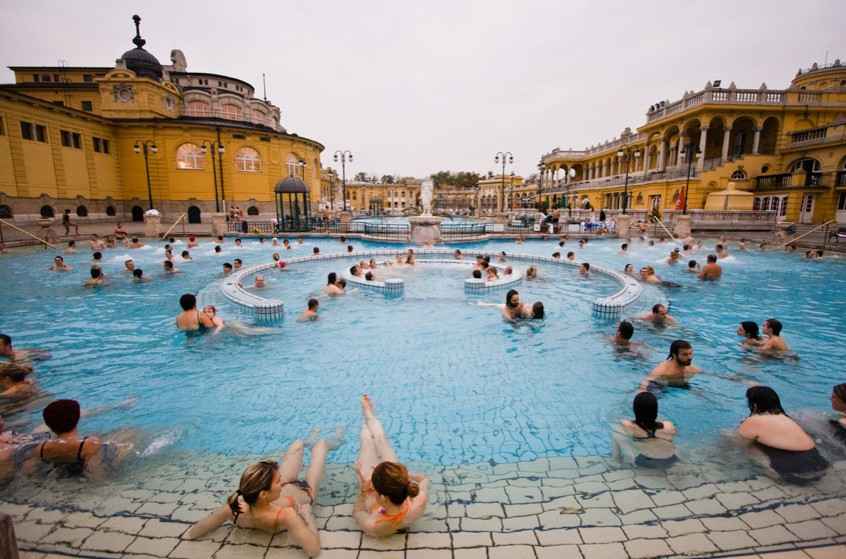
The rooftop pool offers stunning views of the Danube River while thermal waters soothe travel-weary bodies. The octagonal pool beneath the Turkish dome creates an atmospheric experience, connecting modern visitors with centuries of bathing traditions. Early morning visits offer near-solitude in spaces designed for contemplation.
Also Read:
15 Hidden Gems in the USA Most Travelers Miss
Weekend in Hong Kong Itinerary: 2 Perfect Days Guide
Plitvice Lakes National Park: Living Art Through Water and Time
Songkran 2026: Thai New Year Water Festival Complete Guide
Act Now Before Social Media Discovers These Treasures
Each destination on this list faces inevitable discovery. Instagram algorithms amplify hidden spots exponentially once viral posts reach critical mass. Croatia’s Vis Island already sees an increase in yacht traffic. Iceland’s waterfalls appear in more feeds monthly. Peru is considering limiting access to Choquequirao before crowds arrive.
Visit these cultural gems now while authentic experiences remain possible. Support local communities through respectful tourism that preserves rather than destroys. Future travelers will thank those who explored responsibly before mass tourism transformed another generation of special places into overcrowded attractions.