
Vietnam’s culture is a beautiful blend of ancient traditions and modern influences, creating an experience that fascinates travelers from India and around the world. From the sacred rituals of ancestor worship to the joyful celebrations of Tet, Vietnamese culture offers deep insights into a society that values family, respect, and harmony above all else.
Vietnamese Culture at a Glance
| Aspect | Details |
|---|---|
| Population | 98+ million (2026) |
| Ethnic Groups | 54 recognized ethnic groups; Kinh (86%), Hmong, Tay, Thai, Cham |
| Major Religions | Buddhism (55%), Catholicism (7%), Confucianism, Taoism, Cao Dai |
| Official Language | 54 recognized ethnic groups: Kinh (86%), Hmong, Tay, Thai, Cham |
| Most Important Festival | Tet Nguyen Dan (Lunar New Year) – February 17, 2026 |
| Cultural Values | Family respect, ancestor worship, community harmony |
| Traditional Dress | Ao Dai (elegant long tunic) for women |
| Unique Art Forms | Water puppetry, folk music, lacquerware, silk weaving |
The Heart of Vietnamese Culture: Family and Ancestors
Vietnamese society centers around family bonds and deep respect for elders. Unlike Western individualism, Vietnam follows a collectivist approach where family reputation matters more than personal desires. Multi-generational households remain common, especially in rural areas, with grandparents, parents, and children living together harmoniously.
Ancestor worship forms the spiritual foundation of Vietnamese life. Nearly every home, shop, and restaurant displays a small altar where families make daily offerings of fruits, incense, and flowers to honor departed loved ones. This practice reflects the belief that ancestors continue to guide and protect their descendants from the spiritual realm.
Don’t Miss:
Best Places to Visit in Konkan 2026: Beaches, Hill Stations & Hidden Gems
Tomorrowland Thailand 2026
Budget Travel to Vietnam: Complete Guide to Exploring Vietnam Under ₹35,000
Celebrating Tet: Vietnam’s Grand Festival
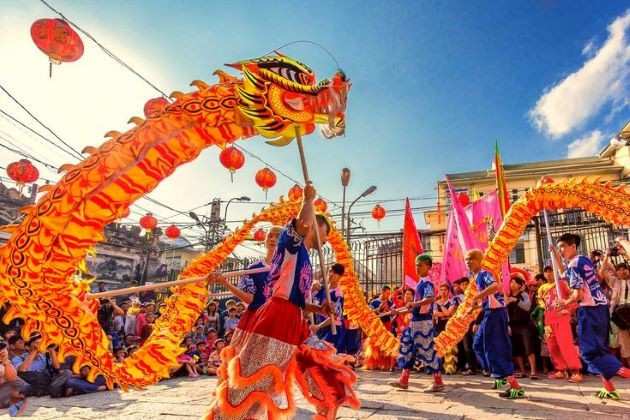
Tet Nguyen Dan, the Vietnamese Lunar New Year, represents the nation’s most cherished celebration. In 2026, Tet falls on February 17, marking the Year of the Horse. This festival embodies renewal, family reunion, and hope for prosperity.
Weeks before Tet, families thoroughly clean their homes to sweep away bad luck and decorate with peach blossoms in the north or golden apricot flowers in central and southern regions. The traditional dish banh chung (sticky rice cakes wrapped in banana leaves) symbolizes the connection between the earth and sky in Vietnamese cosmology.
During Tet, children receive lucky money in red envelopes called li xi from elders, symbolizing blessings for health and fortune. Families visit pagodas on New Year’s Eve to pray for luck, and the first visitor of the new year holds special significance for the household’s fortune.
Source: Hotel Des Arts Saigon
Cultural Diversity Across 54 Ethnic Groups
Alongside the Kinh majority, Vietnam is home to 54 ethnic minority communities that contribute to its cultural diversity. The Hmong in the northern mountains wear vibrant, handmade traditional attire and preserve ancient customs. The Ede people from the central highlands live in distinctive stilt houses and maintain agricultural traditions through music and dance. Each ethnic group contributes unique languages, crafts, and customs to Vietnam’s cultural tapestry.
Explore: Budget Travel to Vietnam: Complete Guide to Exploring Vietnam Under ₹35,000
The Graceful Ao Dai and Traditional Dress
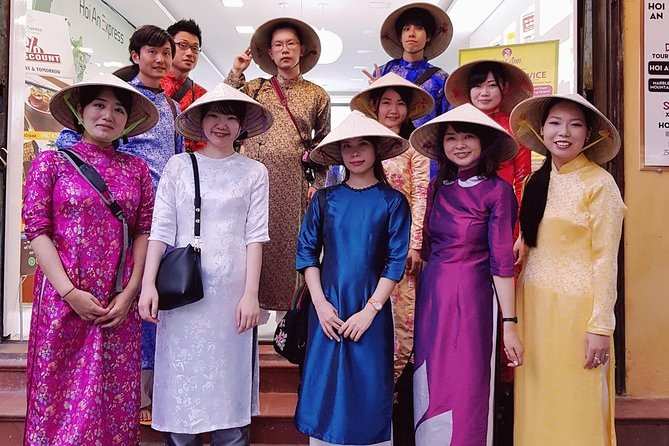
The ao dai stands as Vietnam’s most iconic garment. This elegant long tunic with side slits worn over pants reveals the wearer’s graceful silhouette while maintaining modesty. Modern ao dai appears at weddings, festivals, and formal occasions, beautifully blending tradition with contemporary style.
Source: Viator
Vietnamese Cuisine: A Cultural Ambassador
Food holds sacred importance in Vietnamese culture. Meals are communal affairs with dishes placed centrally for sharing, emphasizing connection and togetherness. The cuisine balances five fundamental flavors (sweet, sour, salty, bitter, spicy) and incorporates fresh herbs and vegetables.
Regional variations showcase cultural diversity. Northern cuisine shows Chinese influence with subtle flavors, while southern food tends to be sweeter and spicier. Central Vietnam, particularly Hue, offers royal cuisine with intricate presentation. From the beloved pho (aromatic noodle soup) to fresh spring rolls, each dish tells stories of tradition and heritage.
Traditional Arts That Define Vietnam
Water puppetry stands as Vietnam’s most unique art form. Dating back centuries, skilled puppeteers manipulate wooden figures on the surface of water, accompanied by traditional music, to depict rural life and folk tales.
Vietnamese artisans excel in silk weaving, creating beautiful fabrics with intricate patterns. Lacquerware production involves multiple layers and meticulous craftsmanship, resulting in stunning decorative pieces. Pottery from Bat Trang village continues traditions spanning over 600 years.
Cultural Etiquette for Visitors
Understanding Vietnamese customs enhances travel experiences. Always remove shoes before entering homes and temples. Cover your shoulders and knees at religious sites. Avoid pointing with your feet or touching anyone’s head, as the head is considered sacred in Vietnamese culture.
Smiling remains important even during disagreements, as “losing face” carries significant social weight. A pleasant, respectful approach always works better than confrontation in Vietnamese society.
Spiritual Beliefs and Practices
Vietnamese spirituality blends Buddhism, Confucianism, Taoism, and indigenous beliefs. This syncretism creates a unique spiritual landscape where people may follow multiple religious practices simultaneously.
Cao Dai, founded in Vietnam during the 1920s, uniquely combines elements from major world religions. Pagoda visits during festivals allow people to pray for health, peace, and happiness while connecting with spiritual traditions.
Also Read:
Goa Trip on Low Budget: How to Plan a Cheap Trip in 2026
Affordable Hotels near Tomorrowland Thailand
Best Places to Visit in Bali: Your Complete 2026 Travel Guide
Experiencing Authentic Vietnamese Culture
The best way to understand Vietnamese culture is through immersion. Participate in cooking classes to learn to make traditional dishes. Visit local markets early morning when families shop for fresh ingredients. Attend water puppetry performances in Hanoi. Join a Tet celebration if traveling in February.
Stay with local families in mountain homestays in Sapa or Ha Giang and experience daily life up close. Engage respectfully with locals, who generally welcome curious travelers eager to learn about their traditions.
Vietnamese culture rewards those who approach with open minds and respectful hearts. Its emphasis on family, community, and harmony offers valuable perspectives for travelers from individualistic societies. Whether you’re from India seeking cultural connections or an international visitor exploring Southeast Asia, Vietnam’s rich heritage promises meaningful and transformative experiences.
Have you experienced Vietnamese culture? Share your favorite cultural moments in the comments