
A drone hit a fuel storage tank near Dubai International Airport on March 16, triggering a fire and forcing a full ground stop at the world’s busiest international airport. Operations stayed suspended for more than seven hours before authorities partially restored flights.
What Happened at the Airport
Civil defence teams moved quickly and contained the fire. No injuries were reported at the airport. However, the Dubai Civil Aviation Authority halted all flights as a precautionary measure to protect passengers and staff.
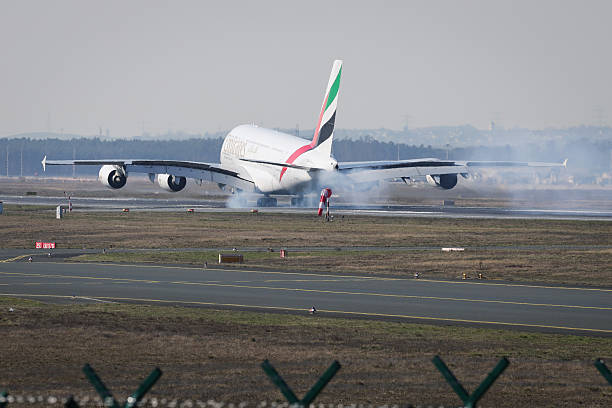
Emirates issued an advisory urging all passengers to stay home and avoid traveling to the airport. Once authorities cleared the area, the airline announced a limited schedule resuming after 10:00 a.m. local time. Even so, several flights from that day’s schedule did not operate.
Furthermore, some flights were rerouted to Al Maktoum International Airport in Jebel Ali. Roads near the hub were also temporarily closed, adding to the disruption on the ground.
This Was Not an Isolated Incident
Monday’s strike was the fourth drone-related incident at Dubai airport since the conflict began on February 28. Three days before this attack, two falling drones wounded four people near the airport. A separate drone also struck the Fujairah oil hub the day before, igniting another fire there.
Since the conflict started, Iran has fired more than 1,800 missiles and drones at the UAE alone, more than any other Gulf country targeted in this conflict. Gulf Arab states overall have absorbed more than 2,000 Iranian missile and drone attacks in under three weeks.
The Broader Impact Across the Gulf
The March 16 strikes did not stop at Dubai. An Iranian missile struck a civilian vehicle in Abu Dhabi’s Al Bahyah area, killing one person. Bahrain, Kuwait, Qatar, and Saudi Arabia also reported intercepting drones and missiles on the same day.
Kuwait International Airport took a hit too, with radar equipment sustaining damage. Meanwhile, Saudi Arabia’s oil infrastructure faced at least five waves of drone strikes in the same morning window.
The simultaneity of these strikes points to a coordinated pressure campaign across multiple countries rather than isolated incidents.
Why Dubai Airport Matters to Global Travel
Dubai International handles nearly 100 million passengers a year. It connects 291 destinations across 110 countries and sits at the center of one of the most traveled air corridors on the planet.
Because of this, even a temporary shutdown there cascades across airline networks worldwide. When a fuel tank goes offline, airlines cannot refuel at their normal pace. Carriers shift to slower tanker trucks, gate turnover slows, connections break, and schedule disruptions spread globally within hours.
This seven-hour halt was the longest single stoppage since Dubai reopened under designated safe air corridors in the first days of the conflict.
What Comes Next
Flights have resumed, but only on a limited schedule. The conflict now enters its 17th day with no sign of a quick resolution. Israel stated it would continue striking Iran as long as needed.
For travellers with plans involving Dubai, the situation remains highly fluid. Anyone transiting through the Gulf should contact their airline directly before heading to any airport in the region.
The airport is open. But the skies above it are not yet safe.