
Songkran Festival transforms Thailand into the world’s largest water playground every April, blending ancient Buddhist traditions with joyful celebrations that unite millions of people.
For travelers from India and around the globe, this Thai New Year festival offers a unique cultural experience where sacred rituals meet playful water battles, creating memories that last a lifetime. Understanding Songkran’s deeper meaning reveals why this celebration captivates hearts worldwide.
Songkran Festival 2026 at a Glance
| Aspect | Temple visits, Buddha bathing, and elder respect ceremonies |
|---|---|
| Festival Dates | April 13-15, 2026 (some cities extend celebrations) |
| Meaning | Derived from the Sanskrit “Sankranti” (astrological passage) |
| Origin | Thai New Year, based on the solar calendar transition |
| Cultural Roots | Buddhist traditions dating back centuries |
| Main Tradition | Water symbolizes cleansing and new beginnings |
| Key Rituals | Temple visits, Buddha bathing, elder respect ceremonies |
| Modern Celebration | Nationwide water fights, music festivals, parades |
| Best Cities | Chiang Mai, Bangkok, Phuket, Pattaya, Koh Samui |
| Expected Participants | Millions of Thais and international tourists |
| Cultural Significance | Family reunion, spiritual renewal, community bonding |
| Duration Extension | Pattaya celebrates 7 days with Wan Lai on April 19 |
Understanding Songkran’s Sacred Meaning
Songkran represents far more than water fights. The festival marks the Buddhist New Year, when, according to traditional Thai astrology, the sun moves into Aries. Water carries profound spiritual significance, symbolizing purification of past misfortunes and blessings for the year ahead.
The term “Songkran” derives from the Sanskrit “Sankranti,” meaning “astrological passage,” reflecting Thailand’s deep cultural connections to ancient Indian traditions. For Indian visitors, these shared Buddhist and Sanskrit roots create familiar cultural echoes in a foreign land.
Thai people believe water washes away bad luck and negative energy accumulated during the previous year. This cleansing ritual prepares individuals mentally and spiritually for fresh starts and new opportunities. The practice demonstrates how physical actions carry spiritual weight in Thai Buddhist culture.
Also Read
Thailand Travel Guide 2026: Your Dream Tropical Escape
Tomorrowland Thailand 2026: How to Pre-Register Online
Affordable Hotels near Tomorrowland Thailand
Goa Trip on Low Budget: How to Plan a Cheap Trip in 2026
Traditional Ceremonies Honor Elders and Buddha
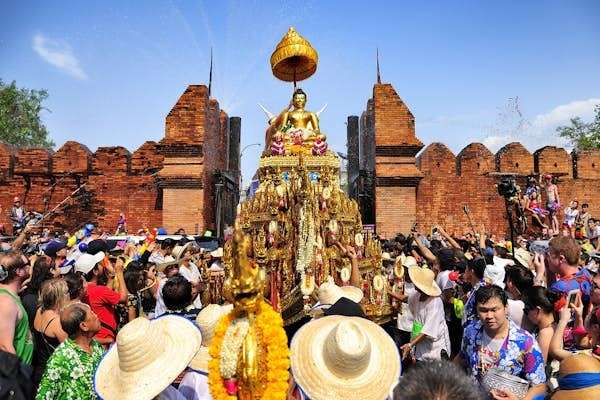
On Songkran’s first day, Thai families visit Buddhist temples across the country. Devotees pour scented water over monks’ hands, seeking blessings for health and prosperity. People also perform Song Nam Phra, carefully bathing Buddha statues with fragrant water while offering prayers.
The Rod Nam Dam Hua ceremony showcases Thai culture’s deep respect for elders. Young people kneel before parents, grandparents, and respected teachers, gently pouring water over their hands. This gesture requests blessings while honoring those who provided guidance throughout life. The practice reinforces family bonds and intergenerational respect, fundamental to Thai society.
Families conduct thorough spring cleaning before Songkran, scrubbing homes, schools, and workplaces to remove negative energy. This physical purification mirrors spiritual cleansing rituals, creating fresh spaces that welcome positive energy for the new year.
Source:-Lonely Planet
Modern Water Battles Unite Communities
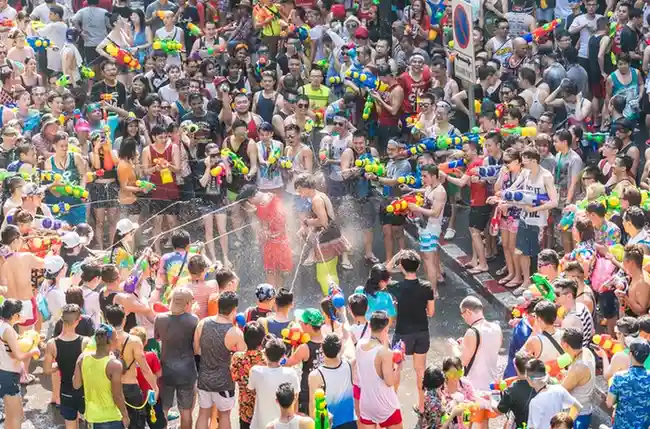
Traditional rituals take place mainly on April 13, while April 14 and 15 become nationwide water festivals. Streets become battlegrounds where Thais and tourists engage in friendly water fights using everything from delicate bowls to powerful water cannons.
Chiang Mai hosts Thailand’s most famous Songkran celebrations. Thapae Gate and the moat area turn into massive water battle zones where thousands gather. Traditional cultural performances and temple ceremonies complement the playful water fights, offering a complete Songkran experience.
Bangkok’s Khao San Road and Silom district attract international crowds for epic water wars accompanied by street parties and live music. Phuket’s Patong Beach combines beach atmosphere with Songkran festivities, creating unique tropical celebrations.
Pattaya extends festivities for seven full days, culminating in the Wan Lai festival on April 19. This extension allows more people to experience Songkran without overwhelming the city on official dates.
Source:- Traveloka
Cultural Etiquette for Water Festival Participants
Respectful participation enhances everyone’s enjoyment of Songkran. Participants should avoid directing water toward others’ faces. Respect boundaries: avoid engaging monks, expecting mothers, and caregivers with infants in water activities.
Protect valuables in waterproof bags since getting soaked is inevitable. Wear quick-drying clothes and secure footwear suitable for wet conditions. Apply waterproof sunscreen, as April brings intense tropical heat that requires protection.
Some locations mark safe zones with signs indicating “no water throwing” areas. Respect these boundaries, allowing people who prefer staying dry to move through streets safely. This consideration reflects Thai cultural values of harmony and mutual respect.
Source:-Bangkok Post
Experiencing Songkran as Indian and International Visitors
For Indian travelers, Songkran offers fascinating cultural parallels to Holi while maintaining a distinct Thai Buddhist character. Both festivals use playful elements to celebrate renewal, though water replaces colored powder. The emphasis on family gatherings and respect for elders resonates deeply with Indian cultural values.
International visitors discover that Songkran offers rare opportunities to actively participate in local traditions rather than observe from the sidelines. The water fights create instant connections between strangers, breaking down cultural barriers through shared laughter and joy.
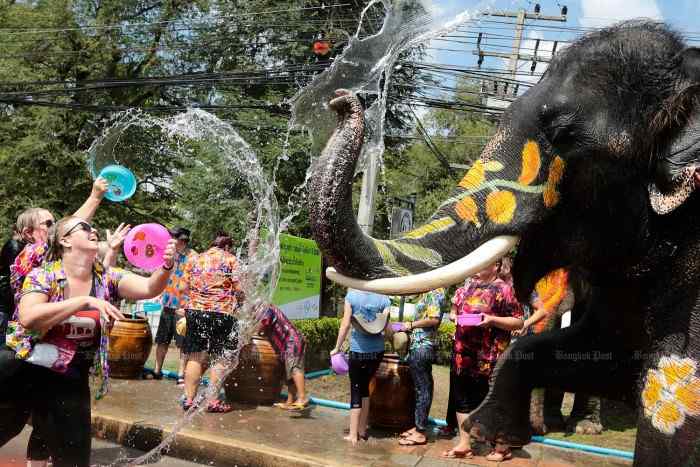
Many visitors combine Songkran experiences with visits to elephant sanctuaries, where these gentle giants join in the celebrations by spraying water from their trunks. This unique interaction connects participants with Thai nature conservation efforts while enjoying festival fun.
Don’t Miss:
Budget Travel to Vietnam: Complete Guide to Exploring Vietnam Under ₹35,000
Discovering Vietnamese Culture: Traditions, Customs, and Heritage
Trending Travel Destinations 2026: Where the World is Heading
Somnath Travel Guide: Temple Timings, Hotels, Route & Travel Tips
Planning Your Songkran 2026 Experience
Book accommodations well in advance, as hotels fill months before April. Consider arriving early to experience traditional ceremonies on April 13 before water battles intensify. Each city offers a different Songkran atmosphere, from Chiang Mai’s cultural focus to Pattaya’s extended party vibe.
Songkran demonstrates Thailand’s remarkable ability to preserve sacred traditions while embracing joyful modern celebrations. The festival welcomes everyone willing to embrace its spirit of renewal, respect, and community joy.